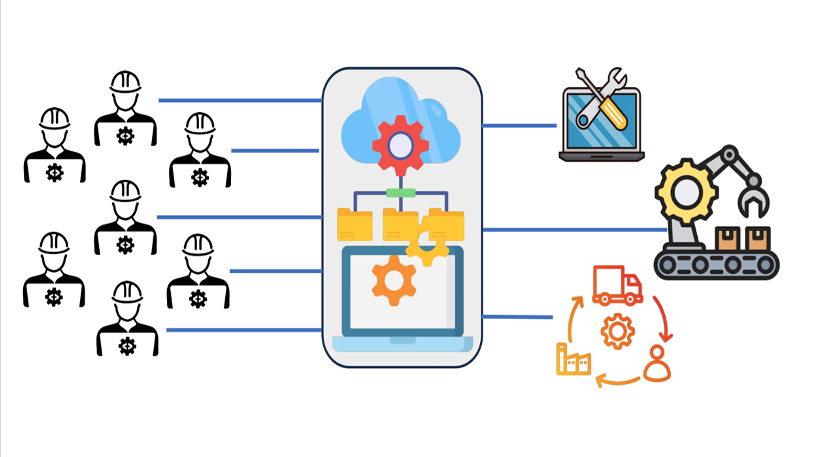
Strategizing Digital Thread Implementations in PDM systems:
Collaborated with a UK-based research-industry team to understand the process of implementing a Digital Thread in their product's design process to enhance its product (PDM) data management system
with an eye on future AI implementation.
Data: 4 semi-structured interviews with key stakeholders, 4 project progress reports.
Method: Qualitative coding and Thematic Analysis using Nvivo
Result: 6 Digital Thread Features (Uniform Data Model, Single Source of Truth, Synchronicity, Traceability, Version-control, Interoperability), 4 Implementation challenges (Contextualizing Digital Threads, Ensuring Interoperability, Backend Mapping, Licensing), 4 Extensions (Integrating Advanced Tech, CAD, Automating Software Backend Mapping)
So What?: These features, challenges, and extensions can potentially serve as a reference for similar firms aiming to digitalize the design processes of their products.
Publication: Decoding the Digital Thread Digitalization Approach for Product Design and Development: Benefits, Challenges and Extensions.

Implementing AI in Industry:
Collaborated with a Canadian industry partner to understand the process behind the selection, development and implementation of an apt AI framework for
improving the efficiency of their product design process.
Data: 50+ design variations, Design heuristics obtained from product manager & designer interviews.
Method: Qualitative coding, Thematic Analysis using Nvivo, Automation framework developed in Python programming
Result: Design-cycle speed improved by 10x; Potential cost-savings CAD 10,5000 annually per product
So What?:Three key discussion points observed in this case study: (1) the importance of implementing the designer's heuristics in the automation framework, (2) the importance of a uniform and modular design automation framework, and (3) the challenges of implementing AI methods.
Publication: A CASE STUDY OF THE DECISION-MAKING BEHIND THE AUTOMATION OF A COMPOSITES-BASED DESIGN PROCESS
Mapping AI to Engineering Design Stages:
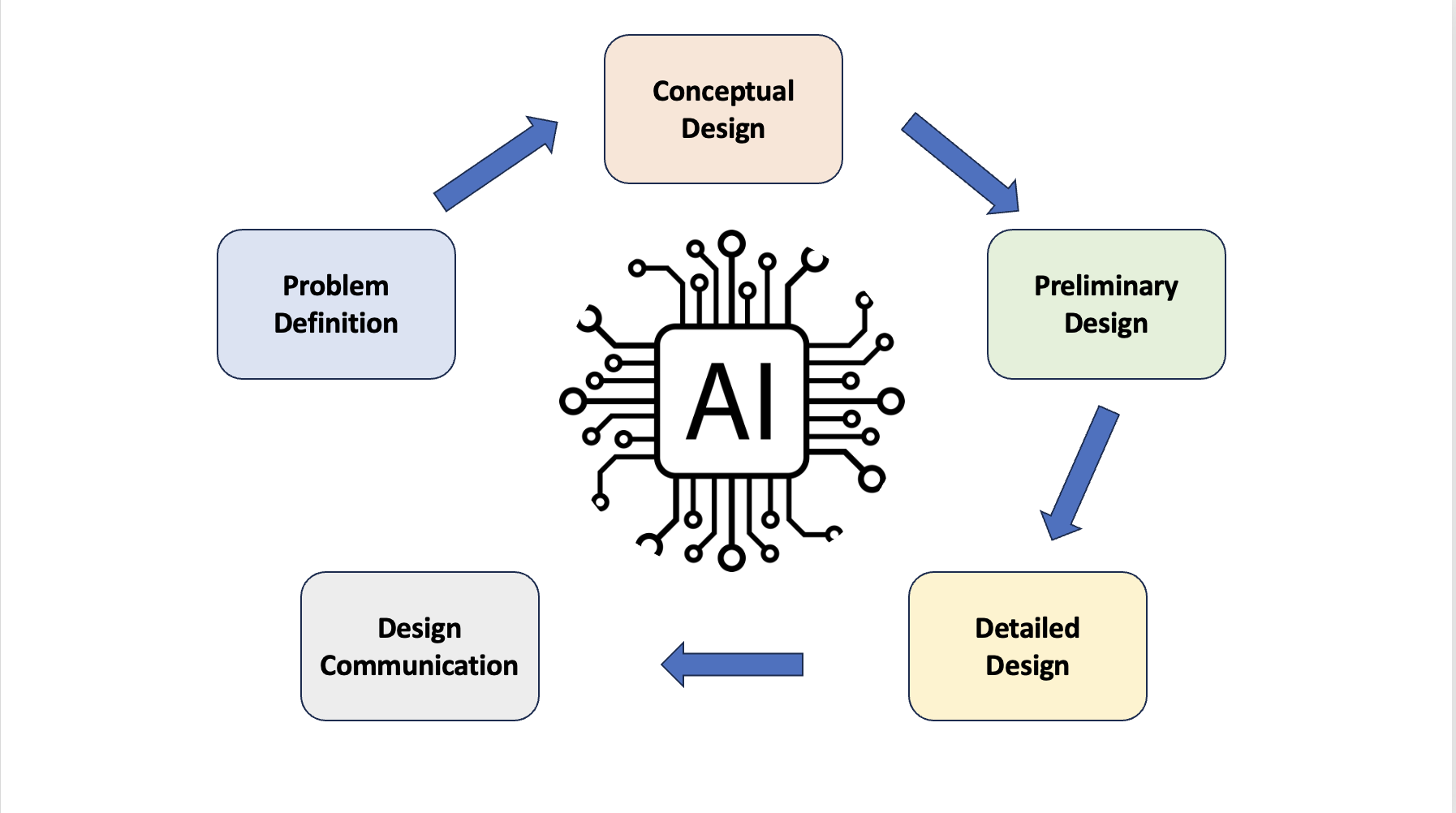
Conducted a focused literature review highlighting the status quo of seven different AI-based methods applied across 108 research works focused on five engineering design stages.
Data: 108 peer-reviewed publications on novel AI methods applied in engineering design context
Method: Extract the type of AI method applied and its application purpose
Result: Majority of AI methods, specifically Machine learning, Deep learning and NLP, are used in conceptual and preliminary/generative design stages.
So What?:This literature review aims to provide readers with an informative mapping of different AI tools to engineering design stages and to potentially motivate engineers, design researchers, and students to understand the current state-of-the-art and identify opportunities for applying AI applications in engineering design.
Publication: Mapping artificial intelligence-based methods to engineering design stages: a focused literature review

Exploring AI Education in Engineering Design Curricula:
Analyzed the current prevalence of AI courses across mechanical engineering curricula of Canadian accredited universities.
Data: Course Information (codes, names, descriptions) of 2195 courses of 28 Canadian accredited mechanical engineering programs for the 2023-2024 academic year. 53 AI keyowrds from Coursera and IBM AI glossaries
Method: Webscraping (beautifulsoup4 and selenium) for course info extraction and Python (NLTK and pandas) for keyword matching analysis
Result: Only 32 out of 2195 courses (~1.5%) provide AI education to canadian mechanical engineering students. In those 32 courses, only 9 courses have been found to provide interdisciplinary AI in engineering design education
So What?:This indicates the limited prevalence of AI education provided to Canadian Mechanical Engineering students and emphasizes the need to work towards increasing AI education in these programs.
Also, this paper highlights a versatile curriculum assessment tool that leverages automation in terms of curriculum data extraction and analysis, making it an effective tool for university-level topic assessment and conducting multi-university comparisons for benchmarking and the revelation of larger-scale trends on regional, provincial, national or even international levels.
Publication: Assessing the Prevalence of Artificial Intelligence in Mechanical Engineering and Design Curricula
Under the supervision of Prof. Christopher McComb (now at Carnegie Mellon University) at THRED Group, I worked towards understanding how deep learning algorithms can
help accelerate structural evaluations of materials.
Applying Deep Learning for Material Evaluation:
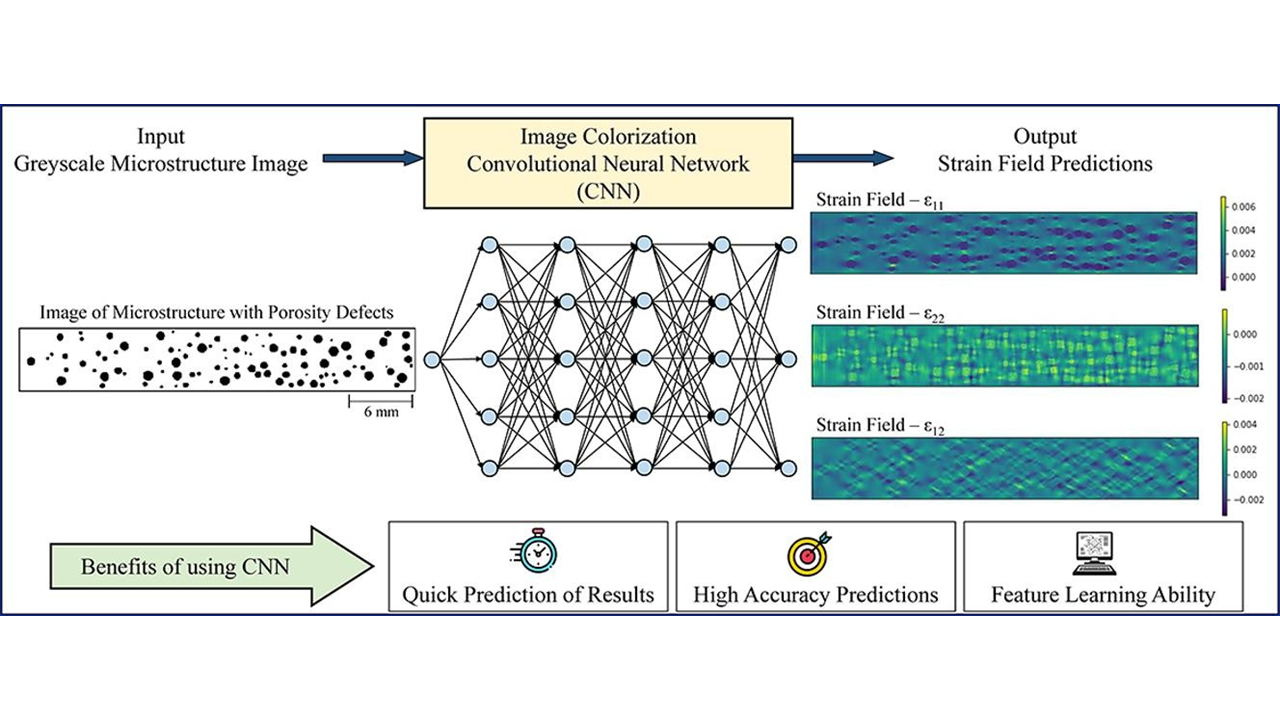
Conducted strain field material evaluations of porosity-ridden material microstructures using deep learning-based image colorization algorithm.
Data: 6,000 diverse microstructure designs and structural simulations using Abaqus API scripting. Link to Dataset
Method:Developed a CNN using Python-based TensorFlow, Keras and PyTorch (diff version). GitHub
Result: This CNN predicted strain fields in aluminum microstructures with 96% accuracy, achieving results 20x faster than conventional FEA methods.
So What?: The main outcome of this project is that the time required to predict strain fields by CNN based colorization algorithm was significantly less than the time required by FEA software (ABAQUS), without compromising the accuracy of the results.
These results provide the capabilites of deep learning methods to conduct computationally heavy material simulations, significantly faster that traditional softwares.
Publication: Predicting elastic strain fields in defective microstructures using image colorization algorithms
Other Projects
In addition to my graduate research, I completed the following projects.
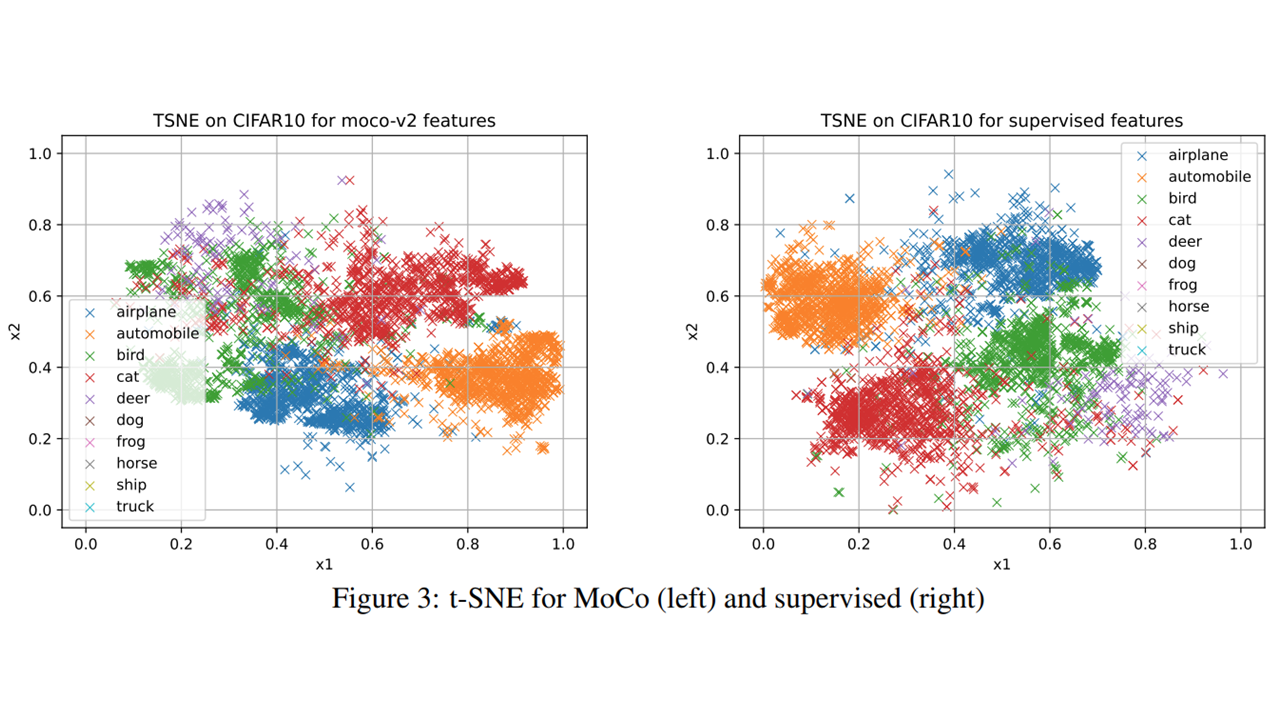
Comparative Analysis of Self-Supervised Learners :
Performed qualitative analysis using T-SNE plots and on these five self-supervised learning algorithms using CIFAR10 dataset and
and quantitative analysis of these self-supervised learning (SSL) algorithms by evaluating their models’ transfer learning ability using out-of-distribution testing for image classification.
[Github]
Statistical analyses of the BRFSS for effective monitoring of weight-related concerns:
Analyzed the Behavioral Risk Factor Surveillance System (BRFSS) dataset, using K-means clustering for pattern identification and subsequently
logistic regression to predict heart-attack-diagnosis, cancer-diagnosis, and diabetes-diagnosis.
[Github]

Remote Order Taking – Discrete Event Simulation:
Analyzed and optimized the number of servers required for a drive-through restaurant- chain in the area to improve efficiency
according to desired performance standards using discrete event simulations in Python.
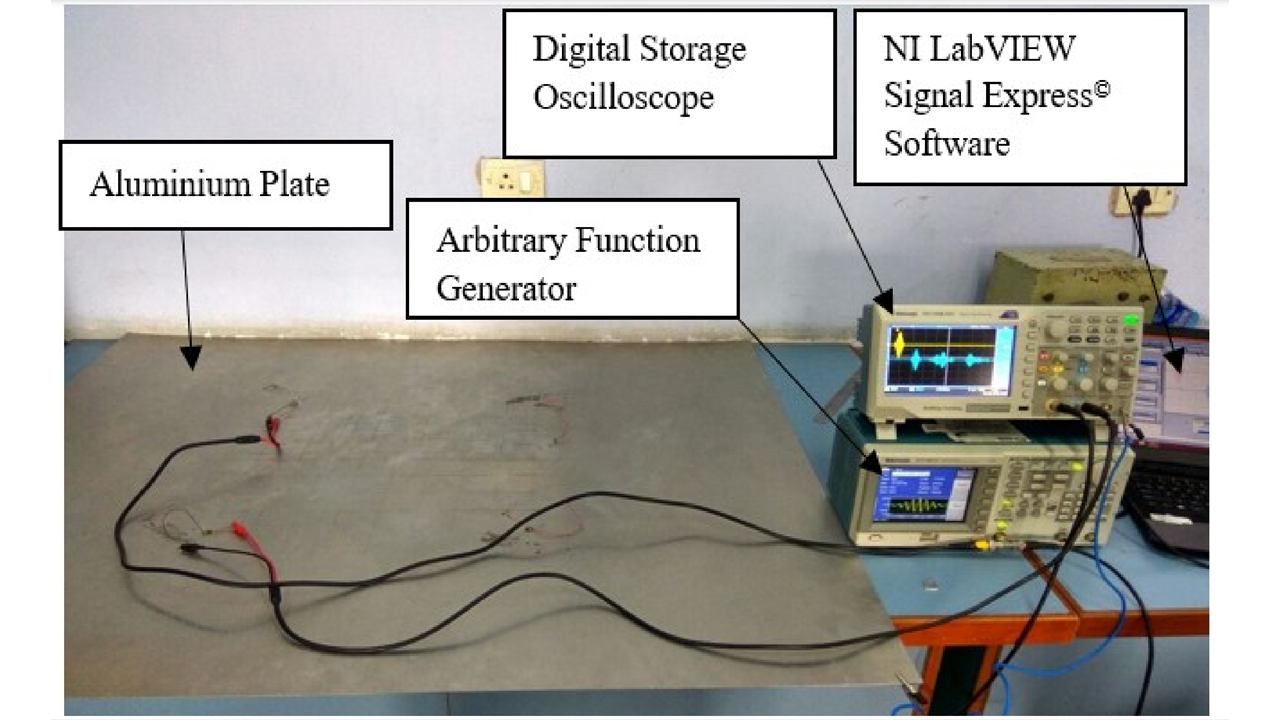
Non-Destructive Testing of Thin Plates using Ultrasonic Guided Waves:
Developed two new algorithms for damage detection, localization, and refinement using lamb waves.
[Publication]
Skills
Technical Skills
- Python, R, MATLAB, HTML, SQL, Git
- Python AI (Scikit-learn, Keras, PyTorch, TensorFlow, NLTK, Hugging Face)
- AWS, MS365, Google Suite, Power Bi, Tableau
- CAD: SolidWorks, Onshape, Autodesk, Ansys
- Six Sigma, Lean, FMEA, RCA, Quality Control
- Statistics, Qualitative Coding & Thematic Analysis
- Literature Analysis, Case Studies
- Grant Writing
Non-Technical Skills
- Design Thinking
- Problem Identification and Solving
- Research
- Mentorship
- Teamwork
- Time Management
- Decision-Making
- Critical Thinking
Publications
Journal Publications
-
Khanolkar, P. M., Gopsill, J., & Olechowski A. (2024). Decoding the Digital Thread Digitalization Approach for Product Design and Development: Benefits, Challenges and Extensions. Artificial Intelligence for Engineering Design, Analysis and Manufacturing Journal 39 e23.
Link to paper
-
Khanolkar, P. M., Vrolijk, A., & Olechowski A. (2024). Discovering the roadmap for selecting, developing, and implementing AI-based automation in product design process: a case study. Under Review at the ASME Journal of Mechanical Design.
-
Khanolkar, P. M., Vrolijk, A., & Olechowski A. (2023). Mapping artificial intelligence-based methods to engineering design stages: a focused literature review. Artificial Intelligence for Engineering Design, Analysis and Manufacturing 37, e25, 1–18.
Link to paper
-
Khanolkar, P. M., McComb, C. C., & Basu, S. (2021). Predicting elastic strain fields in defective microstructures using image colorization algorithms. Computational Materials Science, 186, 110068.
Link to paper
-
Yelve, N. P., Rode, S., Das, P., & Khanolkar, P. M. (2019). Some new algorithms for locating a damage in thin plates using lamb waves. Engineering Research Express, 1(1), 015027.
Link to paper
Conference Proceedings
-
Khanolkar, P. M., Lu, J., Hurst, A., & Olechowski A. (2024). ASSESSING THE PREVALENCE OF ARTIFICIAL INTELLIGENCE IN MECHANICAL ENGINEERING AND DESIGN CURRICULA. In International Design Engineering Technical Conferences and Computers and Information in Engineering Conference, American Society of Mechanical Engineers, 2024..
Link to paper
-
Khanolkar, P. M., Vrolijk, A., & Olechowski A. (2023). A Case Study of the Decision-Making Behind the Automation of a Composites-Based Design Process. Proceedings of the Design Society, 3, 49-58.
Link to paper
-
Khanolkar, P. M., Gad, M., Liao, J., Hurst, A., & Olechowski, A. (2021). A PILOT STUDY ON THE PREVALENCE OF ARTIFICIAL INTELLIGENCE IN CANADIAN ENGINEERING DESIGN CURRICULA. Proceedings of the Canadian Engineering Education Association (CEEA).
Link to paper
-
Khanolkar, P. M., Abraham, A., McComb, C., & Basu, S. (2020). Using deep image colorization to predict microstructure-dependent strain fields. Procedia Manufacturing, 48, 992-999.
Link to paper
-
Rode, S., Yelve, N., Khanolkar, P. M., Thube, M., Thampy, A., & Thomas, C., (2017). Development of a Lamb Wave Based Algorithm for Detecting a Damage in Thin Plate Structures. ISSS International Conference on Smart Materials, Structures, and Systems.
Link to paper
Grant Report
-
Olechowski, A., Khanolkar, P. M., Lu, J., & Hurst, A. (2022). Towards a Modern Canadian Engineering Design Curriculum: Balancing Artificial Intelligence and Human Cognition.
Link to paper
Published Datasets
-
Jia Sheng (Jerry) Lu, Pranav Milind Khanolkar, Ada Hurst, & Alison Olechowski. (2021). Keyword-Matching-for-Canadian-Mechanical-Engineering-Programs: Second Release (v1.0.1). Zenodo.
Link to paper
-
Khanolkar, P. M., Basu, S., & McComb, C. (2021). Image-based data on strain fields of microstructures with porosity defects. Data in Brief, 34, 106627.
Link to paper